Pregnancy-Associated Breast Cancer Diagnosis and Treatment

The second most typical malignancy that affects pregnancy is breast cancer. Breast cancer discovered during pregnancy or the first postpartum year is referred to as pregnancy-associated breast cancer (PABC). Your treatment options may be more difficult if you are diagnosed with breast cancer while expecting a child since you will want to seek the finest care possible for your illness while also safeguarding the unborn child. Your cancer care team and your obstetrician will have to meticulously prepare and coordinate the type and timing of therapy.

The goal of treating a pregnant woman with breast cancer is the same as treating a non-pregnant woman: to cure the cancer whenever possible, or, if that is not possible, to control it and prevent it from spreading. However, the added concern of safeguarding a developing foetus may make treatment more challenging.

Few studies address the optimal management and therapy options for PABC because it is a very uncommon event complicated by many characteristics. Together, let’s investigate the therapies.

Can A Woman Get Breast Cancer During Pregnancy?

Although it is uncommon because the breast cancer is unrelated to the pregnancy, it is possible to receive a breast cancer diagnosis while you are pregnant. Because they are worried about the well-being of their unborn child, women who receive a breast cancer diagnosis while pregnant are under a great deal of added stress. Despite the fact that the situation might be traumatising and incredibly challenging, there is still hope for both mother and child because of the many therapy choices available.

If you have been given a diagnosis of cancer and are pregnant, it never hurts to confirm that your oncology team and the members of your obstetric care team are in regular touch with one another. Your medical team will carefully develop a treatment plan to manage breast cancer while protecting your unborn child.

How Is It Diagnosed?

Visiting your doctor frequently is the finest thing you can do while pregnant. Prenatal (or “before birth”) checkups are what these appointments are known as, and they’re essential for maintaining the greatest possible health for both you and your unborn child. You might get breast exams to look for changes during some of these visits.

Although mammography is generally considered safe during pregnancy, because of the increased density of the breasts, it might not be as beneficial. A three-dimensional mammography may be preferable.

Your physician should do a biopsy if a suspicious lump is discovered. They will use a needle or a small cut to retrieve a small sample of the questionable tissue. To screen for any cancer cells, the sample tissue is examined under a microscope and using other techniques. Additionally, your doctor might do an ultrasound on you to determine the severity of any disease and to direct the biopsy.

Breast Cancer Treatment During Pregnancy?

Get professional advice and make sure you are aware of all your options if you are pregnant and have breast cancer because you may have to make difficult decisions. Although the timing and type of treatment may be impacted by pregnancy, pregnant women can safely receive treatment for breast cancer. Your recommended course of treatment if you have breast cancer and are pregnant depends on:

  • The tumour’s dimensions
  • The place where the tumour is
  • How far has the cancer spread
  • How far along in your pregnancy you are
  • Your general well-being
  • What you prefer

Surgery for breast cancer while you are pregnant is generally safe. If administered during the second or third trimester of pregnancy, chemotherapy appears to be safe for the unborn child, but not during the first. Other breast cancer therapies like radiation therapy, targeted therapy, and hormone therapy are less common during pregnancy because they pose a greater risk to the developing foetus.

The best-known course of treatment for the mother may conflict with the baby’s health, complicating treatment decisions. For instance, a woman might be counselled to consider terminating the pregnancy if she is diagnosed with breast cancer early in her pregnancy and requires immediate chemotherapy. Your healthcare team should also include a counsellor or psychologist to help provide you with any necessary emotional support.

As previously noted, the size, spot, and span of your pregnancy will all affect your treatment approach. Surgery is typically the initial step in treating early-stage breast cancer in women who are not pregnant. Your medical team will likely proceed with a lumpectomy or mastectomy and potentially some lymph nodes from beneath your arm because surgery can be safely done during pregnancy with little harm to your unborn child.

Depending on the type of cancer you have and the stage of your pregnancy, chemotherapy may be an option for treatment. Chemotherapy can be administered during certain windows of time during pregnancy without endangering the unborn child.

Radiation cannot harm an unborn kid, thus if it is advised, it is always administered after the baby is born.

It is unclear exactly how hormone therapy affects unborn children. Because of this, hormone therapy will probably only be given after the baby is born if it is prescribed.

Can A Mother Breastfeed During Breast Cancer?

No proof stopping your breast milk production would help your cancer. When you have this disease, it’s frequently good to breastfeed, but check with your doctor or a lactation consultant to determine what’s best for you and your baby. It is probably best to stop breastfeeding if you are receiving chemotherapy as numerous potent chemotherapy medications can reach the infant through your milk.

Survival Rates For Breast Cancer?

It may be more difficult to detect, identify, and treat breast cancer while pregnant. According to the majority of research, breast cancer patients who are pregnant or not and are diagnosed at the same stage often have similar outcomes.

For some women with advanced breast cancer, some doctors may advise terminating the pregnancy because they think it might delay the progression of the disease. Research in this field is challenging because there aren’t any high-quality, unbiased studies. Pregnancy termination simplifies therapy, but there is now no proof that it enhances a woman’s overall survival or cancer prognosis.

Studies have not demonstrated that treatment delays—which may be necessary during pregnancy—had an impact on the course of breast cancer. However, research on this subject as well has proven to be challenging. Furthermore, there is no evidence that breast cancer can harm an unborn child. If you are battling this malignancy visit us at RRMCH and get your treatment started.

Monsoon and The Rise of Illness

The monsoons provide much-needed reprieve from the oppressive summer heat. Furthermore, they are a boon to agriculture since they raise the water levels in reservoirs. Despite the many benefits of the monsoon, it also brings a variety of illnesses. It is home to a slew of infections and health problems, ranging from an increase in cough, cold, and flu due to extreme temperature swings to viral fever and mosquito-borne diseases, among other things. Doctors at RajaRajeshwari Medical College and Hospital have compiled a list of the most frequent monsoon-related disorders and what you can do to avoid or lessen your chances of being ill this season.

Monsoon-Related Diseases And Prevention Tips

Many seasonal illnesses go undetected until they have a major impact on a person’s health. However, by exercising early detection and some easy preventive and hygiene practices, you may stay safe during India’s severe disease season. This is a list of monsoon diseases to be careful of during this muddy, rainy season:

Mosquito-borne diseases

MalariaDengueChikungunya
Malaria, which is caused by a single-celled parasite called Plasmodium, is one of India’s primary health issues during the monsoon season. It is the breeding season for mosquitos (Anopheles minimus), which serve as hosts for this malaria-causing virus. This mosquito breeds in water channels and streams and causes a severe fever (up to 105 degrees Celsius) for several days.    Dengue-causing Mosquitoes of the genus Aedes aegypti breed in stagnant water (such as buckets, drums, flower pots, wells, and tree holes). These organisms have adapted to changing landscapes and growing urbanisation, and are now found in urban dwellings as well. Dengue fever takes four to seven days to develop after being bitten, and the initial symptoms are fever and exhaustion.    Chikungunya is a non-fatal viral disease produced by the Aedes albopictus mosquito. These mosquitoes breed in stagnant water and can attack you both at nightfall and during the day. Chikungunya, which means “bending up,” is named after its unique arthritic symptoms (pain in the joints and bones, stiffness).    

Prevention Tips

  • Use insect repellent creams, lotions
  • Keep polluted water from accumulating.
  • Use mosquito nets that have been treated with pesticide.

Water-borne Diseases

Gastro-intestinal infectionsCholeraTyphoidJaundice
The ingestion of stale, uncovered, or polluted food and drink causes gastrointestinal diseases such as vomiting, diarrhoea, and gastroenteritis. To avoid stomach infections, it is best to boil water before drinking it and keep all meals covered before eating them.    Cholera, which is also caused by inadequate sanitation and eating infected food, is accompanied by diarrhoea or loose movements.    Typhoid is a water-borne disease caused by the S. Typhi bacteria that spreads due to inadequate sanitation. The two most common causes of typhoid infection are consuming spoiled or unprotected food and drinking contaminated water. Fever, headache, joint pain, and a sore throat are among the symptoms.    Jaundice, a water-borne disease, is spread through contamination of food and water, as well as poor sanitation. It causes liver malfunction, as well as symptoms such as weakness and exhaustion, yellow urine, eye yellowing, and diarrhoea.    

Prevention

  • Keep up with your personal hygiene.
  • After coughing or sneezing, before and after using the toilet, and before and after handling food, wash your hands at regular intervals.
  • Avoid eating from street vendors.
  • Consume only pure, filtered, and boiling water.

Air-borne Diseases

Cold and fluInfluenza
The most frequent viral infection, the common viral flu, is caused by shifts in temperature during the time of the monsoon. A weakened immune system makes us more susceptible to mild infections, which are accompanied by a runny nose, sore throat, watery eyes, fever, and chills.  Influenza, also known as the seasonal “flu,” is easily transmitted from person to person and is primarily conveyed through the air.        

Prevention

  • Wash your hands thoroughly with disinfectant soap, or use alcohol-based hand sanitizers.
  • Avoid eating in public places.
  • When sneezing or coughing, cover your mouth.

Conclusion

Monsoon disorders can be brought on by a lack of sunlight and humid weather. Monsoon infections are conveyed through the air, water, or mosquito bites making it a note that we must take preventative measures. Monsoon disease prevention advice is straightforward and simple to use! Prevention is always preferable to cure. So, remain safe and have fun throughout the monsoon season. Pregnant women, small children, and babies are particularly prone to infectious infections and must be especially cautious. If you or a family member notices any symptoms of monsoon disease, contact your doctor immediately .

The Dark Cloud Of Diabetes Over India

I am sure you have heard India is becoming the diabetes capital of the world. We have all seen this prevailing news over some point of time. But why and how are we achieving that status? The number of diabetic cases in India is expected to reach 69.9 million by 2025, according to a collaborative survey done by the ICMR and NCDIR. Now for the most intriguing portion of the survey: did you realise that the vast majority of them are still undiagnosed? Let us thoroughly investigate the core cause of our country’s impending disaster.

Rise of diabetes in India

India is the world’s diabetes capital, and diabetes, also known as sugar, is referred to as ‘the sugar sickness’ in most households. Diabetes is predominantly a lifestyle disease that has expanded dramatically across all age categories in India, with prevalence exceeding 10% among the younger population.

The situation in cities is worse than in rural areas, where the disease prevalence is nearly twice across all socioeconomic categories. The present growth in diabetes, particularly among the younger population, is a major source of concern for public health.

The recent exponential rise of diabetes in India can be traced primarily to lifestyle changes. Rapid changes in food choices, physical inactivity, and increased body weight, particularly belly fat buildup, are some of the key causes of increased prevalence.

Breakdown The Type of Sugar Disease

The majority of diabetes types lack a known cause. In every circumstance, sugar builds up in the bloodstream. This results from the pancreas’s limited ability to produce insulin. Type 1 and type 2 diabetes can result from a combination of inherited and environmental factors. What exactly these factors are remains unknown.

Type 1 diabetes

Type 1 diabetes (also known as juvenile diabetes or insulin-dependent diabetes) is defined by insufficient insulin production which requires daily an injection to regulate insulin development. In a survey of 2017 it was reported that approximately 9 million individuals suffer from type 1 diabetes with the majority of them living in developed countries. 

Type 2 diabetes

Unlike Type 1 diabetes, type 2 diabetes influences how a patient’s body uses glucose generated for energy. It prevents the body from adequately utilising insulin, which can result in excessive blood sugar levels if not managed.

Type 2 diabetes can cause major harm to the body, particularly the nerves and blood vessels, over time. Being overweight, not getting enough exercise, and heredity are all risk factors for having type 2 diabetes.

Early detection is critical for avoiding the severe complications of type 2 diabetes. Regular check-ups and blood tests with a healthcare provider are the best method to diagnose diabetes early.

Type 2 diabetes symptoms can be minor. It may take several years for them to be discovered.  The symptoms are often less severe than those of type 1 diabetes. As a result, the disease may be discovered years later, when complications have developed.

Gestational diabetes

Hyperglycemia during pregnancy occurs when blood glucose levels are above normal but below those that are indicative of diabetes.

Causes Of Diabetes

To understand diabetes and its causes, it is extremely essential to break down how the body functions and uses glucose.

How insulin works

Insulin is a hormone produced by a gland located below and beneath the stomach (the pancreas).

  • Insulin is released into the bloodstream via the pancreas.
  • Insulin circulates, allowing sugar to enter cells.
  • Insulin regulates the blood sugar level.
  • As blood sugar levels fall, so does insulin release from the pancreas.

The functioning of glucose

Glucose provides energy to each individual cell in our body including our muscles and other tissues.

  • Glucose is obtained mostly from two sources: food and the liver.
  • Sugar enters the bloodstream and flows in the cells with the help of insulin.
  • The liver both stores and produces glucose.

When your glucose levels are low, such as when you haven’t eaten in a while, your liver converts stored glycogen into glucose. This maintains your glucose level within a normal range.

How To Delay Getting Type 2 Diabetes?

If you are at risk of getting diabetes, you may be able to avoid or postpone its onset. The majority of what you must do is adopt a healthy lifestyle. You will gain additional health benefits if you make these changes. You may minimise your risk of getting other illnesses, as well as feel better and have more energy. The changes are as follows.

Losing weight and keeping it off. Diabetes prevention begins with weight management. By decreasing 5 to 10% of your present weight, you may be able to avoid or delay diabetes. For example, if you weigh 200 pounds, you should aim to shed 10 to 20 pounds. And once you’ve lost the weight, it’s critical that you don’t regain it.

Following a healthy eating plan. It is critical to limit the number of calories you consume each day in order to lose weight and keep it off. To do this, your diet should include fewer amounts as well as less fat and sugar. You should also consume a variety of foods from each food group, such as vegetables, whole grains, and fruits. Limiting red meat and avoiding processed foods are also good ideas.

Get regular exercise. Exercise provides numerous health benefits, including weight loss and blood sugar control. Both of these reduce your chances of developing type 2 diabetes. 5 days a week, try to get at least 30 minutes of physical activity. If you haven’t been active, consult with your doctor to determine which types of exercise are best for you.  

Don’t smoke. Tobacco usage can increase the resistance of insulin, which inturn can lead you on the path of type 2 diabetes. If you are a smoker, try to put an effort to stop.

Consult your doctor to see if there is anything else you can do to delay or avoid type 2 diabetes. If you are at high risk, your doctor may advise you to take one of several types of diabetic medications. We hope the information we shared with you will help you to understand the problem better and help you prevent/ delay the disease. If you want more information on such topics visit our website at RajaRajeshwari Medical College and Hospital today.

Community Medicine Course Overview: Admission Process, Scope, Areas of Recruitment

The area of medicine known as “community medicine” deals with healthcare issues that have an impact on the neighbourhood. It is sometimes referred to as community health science, public health, preventive medicine, or social medicine. It focuses on the historical analysis of a specific disease in a particular population, the impact of the environment on health, and the control of communicable diseases.

According to statistics, more people die each year from common diseases including malaria, hypertension, diabetes, and diarrhoea than from uncommon illnesses. Community medicine, which deals with these common disorders, is essential for this reason. This is why public health, which aims to safeguard and enhance community health, is so important. It is inextricably linked to a country’s welfare and economic success.

A three-year doctorate program in MD community medicine focuses on the health and disease of a population or a particular community. There are several job options in India and overseas for students enrolled in the MD Community Medicine program in a variety of medical fields. There are several career chances for the course in both the public and commercial sectors of numerous reputable businesses in India and overseas.

Admission Process: Eligibility for MD Community Medicine

In India, applicants for the MD Community Medicine program can apply online or on the grounds of the college. The admissions process is conducted carefully based on the results from the 10+2+3+2 exams, MBBS degrees relating to any science-related studies, and the results of the entrance tests.

For General Category (GC) Candidate

  • The candidate who has an MBBS degree from an accredited medical college and who, after completing a required rotating internship, has gained full registration from the Medical Council of India or one of the state medical councils.
  • obtaining not less than 50% in the previous four and a half years.
  • + 50% in any one of the entrance exams, such as the All India PG Medical Entrance Exam (AIPGMEE), the PG Entrance Test (PGET), or the Karnataka Religious and Linguistic Minority (KRLM)
  •  For SC, ST, OBC Candidate: The candidate who has earned a full registration from the Medical Council of India or one of the state medical councils after completing a required rotating internship and holds an MBBS degree from an accredited medical college.
  • obtaining at least 40% in the last four and a half years plus 40% in one of the entrance exams, such as the All India PG Medical Entrance Exam (AIPGMEE), the PG Entrance Test (PGET), or the Karnataka Religious and Linguistic Minority (KRLM).

Candidates from outside Karnataka State

  • Candidates from states other than Karnataka must obtain an eligibility certificate from the Rajiv Gandhi University of Health Sciences as well as a migration certificate from their respective states.
  • Candidates who are members of a minority group should possess a certificate from the relevant authorities.

Scope of Community Medicine

The scopes of community medicine in India vary, as was already mentioned. One can begin their career with government organisations, which provide doctors with a great salary package. One who works for a federal or state government agency is given adequate job security. Private hospitals in the private sector allow anyone to work as a visiting doctor and bill by the hour. They can also run a successful private practice out of their own clinic. Graduate students are employed in a variety of divisions, including the teaching and research divisions.

Candidates may choose to take the UPSC exam to begin a career in the civil service or to pass the appropriate admission exams to pursue a DNB, DM, M.Phil, PhD, or even MBA.

The World Health Organization (WHO), UNICEF (United Nations International Children’s Emergency Fund), UNDP (United Nations Development Program), UNHCR (United Nations High Commissioner for Refugees), and other UN organisations are among the ones that one might join. These organisations offer incredible job prospects with a wide range of exposure to real-world issues in the industry, allowing individuals to broaden their knowledge and professional experience.

Areas of Recruitment For MD Community Medicine

Doctorates in MD Community Medicine are in high demand across many industries, including technology, healthcare, hospitals, clinics, education, public healthcare, research, and many more. MD Community Medicine doctorates are preferred by the majority of private and public sectors of many reputable companies to operate in India and overseas. areas of recruitment for the programme include:

  • Health Centres or Hospitals
  • Non-Profit Organisations
  • Medical Foundation/Trust
  • Research or
  • Polyclinics

Why Choose Us?

RajaRajeshwari Medical College and Hospital provide its students with a place to grow not just their academic theoretical learning horizons but also gain an experience in the professional arena. Students at RRMCH learn under the supervision of pioneers in the medical field with access to medical world-class books and healthcare journals. We have more than 60-65 courses in seven streams such as undergraduate, post-graduate, Super Specialty, PhD, Fellowship Program, Allied Health Sciences, and Paramedical.  New sessions are around the clock if you are a medical aspirant visit us and check our course overviews. 

What Are Clinical Trials? Are They Only Restricted To Cancer Treatment?

A clinical trial is a human research study that aims to provide specific answers about novel treatments, vaccines, or diagnostic techniques, as well as novel applications of currently available medications. Clinical trials are used to evaluate the safety and efficacy of new medications, tests, and treatments. The safest approach to discovering therapies and medicines that benefit people is through careful execution of clinical trials.

New investigational therapies and procedures are tested in the lab and on animals before the most promising ones are brought into human clinical trials. There are various phases of clinical studies. As a trial progresses, more knowledge is learned about the prospective treatment, its dangers, its potential efficacy, and issues relating to quality of life.

What Happens In A Clinical Trial?

Participating in a clinical study could make you one of the first individuals to gain the advantages of a novel therapy. However, it is extremely crucial to examine a clinical trial’s phases before getting into the process.

Testing a new medicine

  • To determine if new drugs are safe and effective, all clinical studies go through a number of stages.
  • The drugs will typically be evaluated against control, which is a different form of treatment.
  • Either a placebo or an established standard treatment will be used in place of this one.

Phase 1 trials

  • The medication is administered to a small group of volunteers, some of whom may be healthy.
  • For the first time, the medicine is being tested on human participants.
  • Researchers examine potential adverse effects and determine what dosage should be used for treatment.
  • If participants experience no negative effects or only minimal side effects, researchers only increase the dose after starting with a low amount.

Phase 2 trials

  • The new medication is being evaluated on a bigger population of sick people. This is done in order to better understand its immediate consequences.

Phase 3 trials

  • Trials are conducted on medications that have successfully completed stages 1 and 2.
  • To determine whether the medication is more effective in real-world settings and whether it has significant adverse effects, it is tested on bigger groups of sick individuals and compared to an existing treatment or a placebo.
  • Many clinical trials last a year or longer and include thousands of patients.

Phase 4 trials

  • While the medication is being used in practice, researchers continue to look into its effectiveness, side effects, and safety.
  • Not necessary for all medications.
  • This only applied to medications that have completed all prior tests and been granted marketing licences; a licence denotes that the medication is available only with a prescription.

 Diseases Clinical Trials Can Treat

Whenever we talk about clinical trials the first thing that comes to mind is cancer clinical research. However, do you know that clinical trials aren’t restricted to cancer? Check the listing mentioned below.

Serial numberTherapy Area 
1Cancers
2Cardiovascular & Circulatory Diseases
3Digestive Diseases
4Musculoskeletal Diseases
5Infectious Diseases
6Endocrinology & Metabolic Disease
7Nervous System Diseases
8Mental Health & Behavioral Disorders
9Respiratory Diseases
10Blood Diseases
11Blood sugar

Why Are Clinical Trials Important?

People are now surviving longer thanks to cancer medicines that have been effective in clinical trials in the past. Clinical trials are how doctors decide whether new medicines are safe, efficient, and outperform existing ones. Additionally, they assist us in raising patients’ quality of life both during and after treatment. Participating in a clinical study advances our understanding of cancer and helps future patients receive better cancer care. Clinical trials are essential to developing new cancer treatments here’s why:

Access to the latest therapies

Only clinical trials can provide access to some of the most cutting-edge therapies because of how quickly our knowledge of fatal diseases is developing. Numerous new treatment options from this research are still being studied.

Closer monitoring

Usually, healthcare professionals monitor trial participants more closely than other patients. In-person consultations and a predetermined number of imaging tests are frequently required by the research project itself.

Patients occasionally believe they will be used as “guinea pigs,” yet the contrary is actually true. You’ll have access to a second group of medical professionals who can address your questions and concerns. This is an advantage of participating in a trial. Many people find that more frequent check-ins are comforting because they can see how they’re responding to treatment.

Reduced cost

Patients typically don’t pay for clinical trial medications. Instead, the study team pays for those expenses. However, for the majority of patients, clinical trial therapies are no more expensive than conventional treatments. There may be travel costs or imaging services that the study does not cover.

Make contact with your insurance company and medical staff before enrolling in a trial to estimate your expenses. Social workers and financial counsellors are readily accessible to help you at many cancer centres.

Check here also a leading Hospitals in Bangalore

Is Cerebral Palsy and Muscular Dystrophy Treatable?

A group of muscle abnormalities that impair a child’s capacity to control movement are collectively referred to as cerebral palsy. It results from aberrant brain growth or damage before, during, or soon after birth. Depending on the extent and location of the brain damage, cerebral palsy has varying effects on various kids.

As the areas of the brain that control muscle function are damaged, the messages or signals from the brain to the related muscles are disrupted, which has some effect on a child’s movement.

Children with Cerebral Palsy may struggle with their balance, reflexes, muscle tone, and motor skills. Nevertheless, other characteristics like learning and language abilities could be comparable to those of a typical youngster, again depending on the extent of brain injury.

Symptoms Of Cerebral Palsy and Muscular Dystrophy

Abnormal muscle tone, which affects balance, posture, and motor function, can be a defining feature of both cerebral palsy and muscular dystrophy. Infants with the disorders sometimes go undiagnosed until they begin to exhibit developmental difficulties. The majority of kids are diagnosed between 18 and 24 months.

 Cerebral palsy symptomsMuscular dystrophy symptoms
Difficulty walkingDifficulty eatingFine motor skill problemsLearning problemsStiff musclesTremorsDifficulties getting up, running, or moving feetGrowth delaysLearning problemsMuscle pain and weakness  

There is a subtype of cerebral palsy that is distinguished by hypotonia (low muscle tone), even though cerebral palsy is typically characterised by high muscle tone. A characteristic of muscular dystrophy is the weakening of the muscles with time. The muscle tone of those with muscular dystrophy declines as the disease worsens.

Children with muscular dystrophy are likely to develop respiratory and cardiac issues by the time they are teenagers. This is due to the fact that the heart and diaphragm are muscles, and their dysfunction may be brought on by a shortage of dystrophin.

Cerebral Palsy and Muscular Dystrophy: similar or different?

Although the two illnesses may present similarly, they are fundamentally very distinct from one another. A section of the brain has been damaged, which is the underlying cause of the neurological disorder cerebral palsy. A hereditary disorder called muscular dystrophy, in contrast, has as its primary cause damage to the gene that produces the protein dystrophin, which is crucial for the preservation of normal muscle cell proliferation.

However, these diseases would impact a child’s ability to move, whether through delays in the development of motor milestones like crawling, sitting, standing, and walking. A child with cerebral palsy and dystonia both impact the capacity to control muscles, therefore the following secondary consequences of muscular dystrophy may also occur:

  • Insufficient muscular growth as a result of inactivity.
  • Deformities of the feet, arms, and hands, as well as malformed bones and joints and muscle imbalances that may cause complications including scoliosis and hip dislocations.
  • Compensatory movement techniques to facilitate movement, such as excessive hip rotations when walking rather than a straight line.
  • Easily exhausted because they tend to use more energy on simple movements than other youngsters do.

Can Cerebral Palsy or Muscular Dystrophy be treated?

Children who have Cerebral Palsy have permanent, non-progressive brain damage, which indicates that while the disorder cannot be treated, the damage won’t become worse. If necessary precautions are not taken, the damage’s side effects could worsen. The muscles will get weaker with age for kids with muscular dystrophy. Medication can, however, lessen the impact of the decline.

Physiotherapists work to help children with movement impairments and challenges learn the most effective ways to maximise their bodies’ functional mobility. Depending on their capabilities and needs, interventions would be concentrated on promoting mobility and achieving age-appropriate gross motor skills (e.g., sitting, crawling, standing, walking, running, and jumping). This would be done through enjoyable games and activities that incorporate training for strength, balance, coordination, flexibility, and endurance.

Intervention would include dealing with any secondary problems that these kids could have, like coping mechanisms for scoliosis and hip dislocations. The kid’s quality of life can be maximised by a physiotherapist working with the child’s carers to empower the youngster and maximise their independent movement, even though they may not be able to undo the underlying harm. Thus, to optimise a child’s potential and to lessen or better control the illnesses’ secondary effects, early detection, diagnosis, and intervention are essential. If the field of Cerebral Palsy and Muscular Dystrophy motor mobility and how it is treated interests your medical mind visit us at RRMCH and fulfil the dream set by the medical aspirant in you. For more information contact us and scroll through our website.

Corona Virus – Facts Overview

As the corona virus or Wuhan virus scare is catching like wild fire and as the number of infected people across the world. The cases in china are about to reach 15000 and over 300 people are said to be already affected. The virus is on the spread across the world as it is highly contagious and the UN has already declared it as a medical emergency. While the world is on high alert and is also flown out their nationals from the country, the clouds of this virus causing a havoc are already mounting. Here are a few tips to keep the corona virus infection at bay.

  1. Wash your hands with soap and water on regular basis or with alcohol based disinfectant
  2. While sneezing or coughing cover your mouth with a tissue or hand
  3. Avoid close contact with people suffering from cold or flu like symptoms
  4. Do not eat under cooked meat or eggs
  5. Avoid contact with farm animals or the wild
  6. Stay indoors at home when sick
  7. Clean all objects and surfaces that are dirty or touched
  8. Avoid touching your mouth, eyes or hands with dirty hands
  9. Use a mask whenever outdoor
  10. Always carry a disinfectant along when outdoor

There’s also a debate around the transfer of the virus without showing symptoms. While the Germans are firm that asymptomatic transmission is possible, nothing is yet officially conveyed.

Well, as the cases in China keep exploding as the days pass by, the risk of it spreading across continents is always there. As of now the process of developing a vaccine for controlling the virus is on but it might take almost a year before it comes to the pharmacy. Until then, prevention is the only way out. So, stay safe and clean to keep the condition out of harm’s way.

Just know about Top Leading Hospital in Bangalore

Sourced from Internet

BRAT Diet For Stomach Health

If You are suffering from stomach related issues then, one of the most recommended diets is the BRAT diet. For the uninitiated, BRAT is an acronym standing for Banana, rice, Applesauce and toast. The reason behind recommending these foods when having stomach problems is that they are light on the stomach and bland as well. Stomach problems can lead to nausea, vomiting, diarrhea and fatigue and the BRAT diet definitely plays a role in keeping you energized without side effects.

Brat Diet For Stomach Health

The BRAT diet is about eating bananas, applesauce, rice and toast in abundance as these foods are bland I taste and easy on your digestive systems. Well, if you cannot eat the same food over and over until you get well, you may choose from other bland foods like weak tea, apple juice or soda, broth, boiled potatoes as well as cooked cereals.

Though you need to avoid dairy products like milk and more as well as oily, fried and spicy food. You also need to avoid raw or uncooked food as well as food that is very hot or very cold. Stay away from alcohol as well as coffee or other foods containing caffeine.

Once 24 hours of illness have passed you may consume clear liquids again, sipping on at an interval of 10 minutes. Try drinking water, chicken broth, apple juice and similar liquids.

Although the BRAT diet is a common recommendation by Doctors in USA, children and infants are excluded form the recommendation.

The reason being that these food cannot fulfil the body requirements in terms of micro nutrients and proteins.

But, if you are suffering from severe bout of diarrhea then you need to seek medical assistance immediately. Also in case of severe abdominal or rectal pain, black or bloody stools or a high fever or above 102 F.

Just know about the Rajarajeswari Medical College and Hospital, Bangalore

Weight Loss After 50 Years Of Age Reduces Breast Cancer Risk

Breast cancer is one of the most common cancers amongst women in India and worldwide. A recent study about women who lost weight at 50 and maintained a healthy weight thereon showed a decreased risk of breast cancer as compared to women with more weight. This study is therefore a way to help women work around prevention of cancer.

Breast Cancer Risk

The study is published in the Journal of the National Cancer Institute. In USA over two third of the adult women are overweight or obese. The study was carried out by the researchers at the American Cancer Society, Harvard T. H. Chan School of Public Health using the Pooling Project of Prospective Studies of Diet and Cancer (DCPP) in order to determine the connection between sustained loss of weight after menopause or later adulthood and the risk of breast cancer.

The study involved over 180,000 women over 50 years of age across 10 studies. The sample size is huge and this analysis is the first to assess the breast cancer risk impact over sustained weight loss. The study did examine weight three times across 10 years period viz. at the time of enrollment, post five years and again four years thereafter.

The results showed that women who were able to reduce more weight in later adulthood and sustained it were able to lower the risk of breast cancer. The women who were able to shed around 9 kg’s of weight and then game some of it but not all did show a significant reduction in breast cancer risk.

The lead author of the study Lauren Teras, PhD says ‘These findings may be a strong motivator for the two thirds of American women who are overweight to lose some of that weight. Even if you gain weight after age 50, it is not too late to lower your risk of breast cancer”.

*Sourced from Internet

RRMCH is one of the Best Cancer Treatment Hospital in Bangalore India

Plaques of Pregnancy or Puppp – A Rare Pregnancy Rash

We all know that pregnancy can bring along a lot of side effects also like fatigue, nausea, vomiting and more. But, one rare condition that only a few or say 1 in 160 women get are pregnancy PUPPPs. Though, it is known to be a common condition experienced by pregnant women, not all are aware of it. Here’s and over view of Pruritic Urticarial Papules or PUPPPS, also known as plaques or Pregnancy.

Plaques of Pregnancy or Puppp

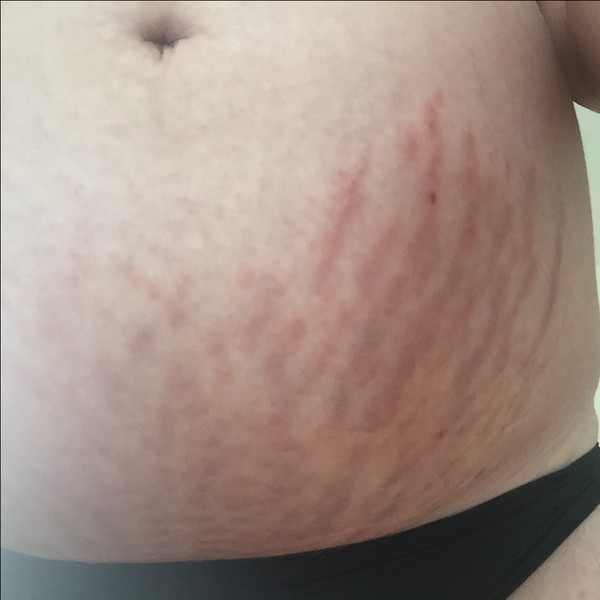
Though as on day scientists and medical experts aren’t really sure of the reason behind the surfacing of such itchy rashes in women during pregnancy but believe that it could be due to excessive stretching of skin in the months nearing to delivery.

Also, there is no cure. The rashes tend to appear in the third semester and disappear within 2 weeks post birthing. The rashes start mostly from the stomach and spread across your thighs, legs, hands and neck area. They look like red swollen patches and are extremely itchy.

Another reason cited by experts around rash is the circulation of immune fetal cells through the body. These cells spark an immune response that in turn leads to the rash surfacing. The theory finds support in the fact that the fetal cells do stay in the body for short time after delivery. But, it’s not proved yet.

The itching could get worse if you tend to scratch it. Better to avoid scratching. In hotter regions the itching and pain is much worse and proper care needs to be taken for relief. Here are a few tips around relief from rashes

  1. Ice – Cool ice compresses can help relieve the itching. Wrap the ice compress in a cloth and apply few time during the day.
  2. Oatmeal – Oatmeal baths are known to be effective home remedy for may skin conditions including this one.
  3. Peppermint – Peppermint comes with menthol and it is known to have cooling effects. Use peppermint oil on the rashes or you might consume the prescribed quantity after consulting your doctor.
  4. Moisturiser –
  5. Clove oil – Clove oil is also known to have cooling effects because it contains antimicrobials and antioxidants, phenol eugenol to be specific.

A study in 2017 revealed that around 25 participants who applied petroleum jelly followed by clove oil on rash prone areas show a reduction in symptoms compared to the group that used on petroleum jelly.

Having said that, not every pregnant woman gets these itchy rashes but those who get could use the above tips for relief purpose because these rashes could get itchy to hell and frustrate you to the core. But, be calm, this will pass off and there is not known effects to the fetus due to their occurrence as yet.

*Sourced from Internet

Know more about Best Gynecologist in Bangalore