What Makes RajaRajeshwari Medical College Different From Other Medical Schools In South India?

mbbs admissions 2019

At the national and international levels, there are now hundreds of medical colleges. As a result, selecting the best among them becomes challenging for us. Our entire future depends on the medical college we choose, therefore we should take our time. College enables us to expand our fundamental knowledge after school. When selecting the finest medical college for you and applying to it, there are a few things to bear in mind. Check what we at RRMCH offer and then compare the quantum of facilities with other colleges. 

How We Are And Our Establishment 

In 1992, the Moogambigai Charitable and Educational Trust was founded with the objective to build academically prominent institutions across the state of Karnataka. Our fundamental goal is to encourage science-tempered, exceptional citizens who are committed to serving humanity. For us at RajaRajeshwari Medical College the availability of medical facilities is crucial. We want to meet the medical requirements of underserved people. Through this, we offer top-notch training in the medical, paramedical, nursing, and allied healthcare fields. We also offer excellent and caring hospital services in state-of-the-art facilities, as well as conduct health research in line with the institution’s holistic values. 

Facilities That Make Us Different From The Rest

A medical school is not just about teachers and faculty; a student needs facilities to uplift their learning quotient. Check the facilities that make us different from the rest.

Library and Information Service

Any institution’s library is its heart. Rajarajeswari Medical College has a well-trained staff and an automated library system to enlighten the end users—students and faculty members—with a wide range of academic resources, including books, periodicals, online periodicals, databases, back volumes, CDs/DVDs, and question banks. It is a centre for acquiring, processing, preserving, and disseminating information to the institution’s end users—students and faculty members—with

Library Collection

Books: 877 (all the disciplines)

Titles: 109

Periodicals: 02

Newspaper: 05

Smart Class Room

A smart classroom is a typical lecture-style learning environment with access to technological tools that can be utilised to support and improve course education. The fundamental equipment needed to connect a laptop to a projector is available in the smart classroom.

The podium has a touch panel control system, a connection for a PC or laptop, a document camera, a DVD/VCR player, a projector, a screen, and an overhead transparency projector.

Clinical Placement

RajaRajeswari Medical College and Hospital has a 1000-bed capacity and is a huge blessing for our college. The clinical facilities have been carefully chosen and set up. The hospital has all the necessary departments for psychiatry, paediatrics, orthopaedics, human skin, and OBG.

Additionally, our administration has chosen the Ittamadu Primary Health Centre in the Ramanagar district to provide community health nursing students with clinical experience.

Additionally, our college has permitted students to complete clinical specialisation experiences in mental nursing, cardiovascular nursing, and paediatric nursing at NIMHANS, SIMHANS, Jayadeva Institute of Cardiology, and Indira Gandhi Institute for Child Health, respectively.

Campus Facilities: Hostel

RRMCH – Hostel

The hostel has separate areas for men and women. The rooms are nicely furnished, have bathrooms attached, and have a clean mess facility always available.

Out-of-town students can stay on campus in one of the four roomy hostels. Up to 2500 students can be housed in separate UG and PG hostels for males and girls, with both private and shared rooms available. The rooms are bright and clean and provide mattresses, closets, and desks and chairs for studying.

In addition to a visitor’s room, each hostel has a common area with entertainment options, laundry facilities, and dining options. Guest faculty, visitors, and other guests are accommodated in tastefully decorated guest houses that are provided upon notice and space permitting.

Sports/Health Clubs

RRMCH has created extensive facilities for students because it understands the value of sports and games for the growth of the body and mind. The sporting facilities include fields and courts for cricket, football, tennis, basketball, and volleyball.

There are also facilities for indoor games like table tennis, chess, and badminton. Teams from the college often compete in intercollegiate competitions and have represented the campus admirably in a variety of sports.

Transport

The college owns a fleet of buses that it employs to go to and from the city’s many sites of interest. The buses are available to make it simple for the staff and students who live off-campus to get to and from the college.

The RRCP maintains a fleet of 20 buses that transport students and faculty members who live off-campus to and from their destinations. The routes of the buses, which go around the city and its outskirts, are carefully selected to offer optimum convenience while still accommodating students’ study schedules.

Anti-ragging Measures

The Medical Director, who serves as the committee’s chairman, has established an anti-ragging committee for the 2012–2013 academic year. All of the department heads are also represented on the committee, along with the Sub Inspector from Thalaghattapura Police Station, the Vice President of Kumbalgodu Zillah Panchayat, a local media representative, and a member of an NGO for youth development.  

Best Food Quality

The RajaRajeswari Medical College and Hospital students receive mouthwatering AND delicious food items at their doorsteps (figuratively speaking, of course). The canteen offers a large selection of South Indian, North Indian, Chinese, and of course, dietary food.

Food served in the student mess is hygienic, nourishing, and well-balanced. On the designated days, the mess serves non-vegetarian meals as well. The quality of the ingredients used to prepare the cuisine is uncompromised at all. 

In addition to this, the campus features a small store with a broad selection of fast food, which is popular with the student body.

It may be a mere coincidence but the location of the RajaRajeswari Medical College & Hospital atop a hill is symbolic of its aim to take medical excellence higher. When opportunity presents itself, don’t walk; run towards it! You can visitus or email us at  info@rrmch.org and get your admission today. 

Is Cerebral Palsy and Muscular Dystrophy Treatable?

A group of muscle abnormalities that impair a child’s capacity to control movement are collectively referred to as cerebral palsy. It results from aberrant brain growth or damage before, during, or soon after birth. Depending on the extent and location of the brain damage, cerebral palsy has varying effects on various kids.

As the areas of the brain that control muscle function are damaged, the messages or signals from the brain to the related muscles are disrupted, which has some effect on a child’s movement.

Children with Cerebral Palsy may struggle with their balance, reflexes, muscle tone, and motor skills. Nevertheless, other characteristics like learning and language abilities could be comparable to those of a typical youngster, again depending on the extent of brain injury.

Symptoms Of Cerebral Palsy and Muscular Dystrophy

Abnormal muscle tone, which affects balance, posture, and motor function, can be a defining feature of both cerebral palsy and muscular dystrophy. Infants with the disorders sometimes go undiagnosed until they begin to exhibit developmental difficulties. The majority of kids are diagnosed between 18 and 24 months.

 Cerebral palsy symptomsMuscular dystrophy symptoms
Difficulty walkingDifficulty eatingFine motor skill problemsLearning problemsStiff musclesTremorsDifficulties getting up, running, or moving feetGrowth delaysLearning problemsMuscle pain and weakness  

There is a subtype of cerebral palsy that is distinguished by hypotonia (low muscle tone), even though cerebral palsy is typically characterised by high muscle tone. A characteristic of muscular dystrophy is the weakening of the muscles with time. The muscle tone of those with muscular dystrophy declines as the disease worsens.

Children with muscular dystrophy are likely to develop respiratory and cardiac issues by the time they are teenagers. This is due to the fact that the heart and diaphragm are muscles, and their dysfunction may be brought on by a shortage of dystrophin.

Cerebral Palsy and Muscular Dystrophy: similar or different?

Although the two illnesses may present similarly, they are fundamentally very distinct from one another. A section of the brain has been damaged, which is the underlying cause of the neurological disorder cerebral palsy. A hereditary disorder called muscular dystrophy, in contrast, has as its primary cause damage to the gene that produces the protein dystrophin, which is crucial for the preservation of normal muscle cell proliferation.

However, these diseases would impact a child’s ability to move, whether through delays in the development of motor milestones like crawling, sitting, standing, and walking. A child with cerebral palsy and dystonia both impact the capacity to control muscles, therefore the following secondary consequences of muscular dystrophy may also occur:

  • Insufficient muscular growth as a result of inactivity.
  • Deformities of the feet, arms, and hands, as well as malformed bones and joints and muscle imbalances that may cause complications including scoliosis and hip dislocations.
  • Compensatory movement techniques to facilitate movement, such as excessive hip rotations when walking rather than a straight line.
  • Easily exhausted because they tend to use more energy on simple movements than other youngsters do.

Can Cerebral Palsy or Muscular Dystrophy be treated?

Children who have Cerebral Palsy have permanent, non-progressive brain damage, which indicates that while the disorder cannot be treated, the damage won’t become worse. If necessary precautions are not taken, the damage’s side effects could worsen. The muscles will get weaker with age for kids with muscular dystrophy. Medication can, however, lessen the impact of the decline.

Physiotherapists work to help children with movement impairments and challenges learn the most effective ways to maximise their bodies’ functional mobility. Depending on their capabilities and needs, interventions would be concentrated on promoting mobility and achieving age-appropriate gross motor skills (e.g., sitting, crawling, standing, walking, running, and jumping). This would be done through enjoyable games and activities that incorporate training for strength, balance, coordination, flexibility, and endurance.

Intervention would include dealing with any secondary problems that these kids could have, like coping mechanisms for scoliosis and hip dislocations. The kid’s quality of life can be maximised by a physiotherapist working with the child’s carers to empower the youngster and maximise their independent movement, even though they may not be able to undo the underlying harm. Thus, to optimise a child’s potential and to lessen or better control the illnesses’ secondary effects, early detection, diagnosis, and intervention are essential. If the field of Cerebral Palsy and Muscular Dystrophy motor mobility and how it is treated interests your medical mind visit us at RRMCH and fulfil the dream set by the medical aspirant in you. For more information contact us and scroll through our website.

Weight Loss After 50 Years Of Age Reduces Breast Cancer Risk

Breast cancer is one of the most common cancers amongst women in India and worldwide. A recent study about women who lost weight at 50 and maintained a healthy weight thereon showed a decreased risk of breast cancer as compared to women with more weight. This study is therefore a way to help women work around prevention of cancer.

Breast Cancer Risk

The study is published in the Journal of the National Cancer Institute. In USA over two third of the adult women are overweight or obese. The study was carried out by the researchers at the American Cancer Society, Harvard T. H. Chan School of Public Health using the Pooling Project of Prospective Studies of Diet and Cancer (DCPP) in order to determine the connection between sustained loss of weight after menopause or later adulthood and the risk of breast cancer.

The study involved over 180,000 women over 50 years of age across 10 studies. The sample size is huge and this analysis is the first to assess the breast cancer risk impact over sustained weight loss. The study did examine weight three times across 10 years period viz. at the time of enrollment, post five years and again four years thereafter.

The results showed that women who were able to reduce more weight in later adulthood and sustained it were able to lower the risk of breast cancer. The women who were able to shed around 9 kg’s of weight and then game some of it but not all did show a significant reduction in breast cancer risk.

The lead author of the study Lauren Teras, PhD says ‘These findings may be a strong motivator for the two thirds of American women who are overweight to lose some of that weight. Even if you gain weight after age 50, it is not too late to lower your risk of breast cancer”.

*Sourced from Internet

RRMCH is one of the Best Cancer Treatment Hospital in Bangalore India

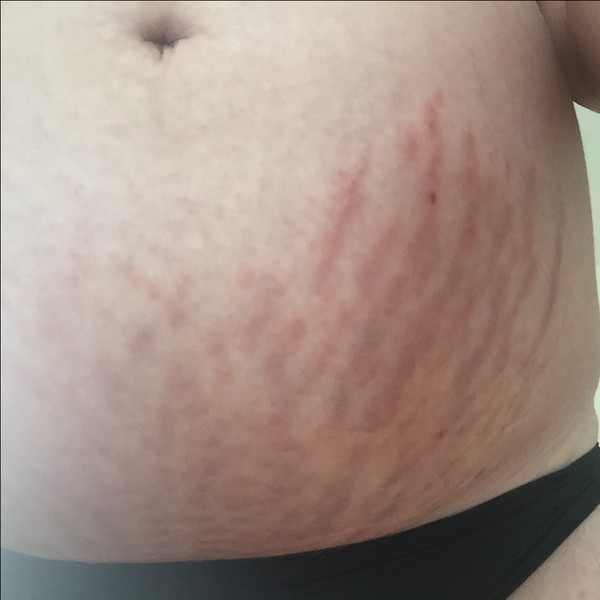
Plaques of Pregnancy or Puppp – A Rare Pregnancy Rash

We all know that pregnancy can bring along a lot of side effects also like fatigue, nausea, vomiting and more. But, one rare condition that only a few or say 1 in 160 women get are pregnancy PUPPPs. Though, it is known to be a common condition experienced by pregnant women, not all are aware of it. Here’s and over view of Pruritic Urticarial Papules or PUPPPS, also known as plaques or Pregnancy.

Plaques of Pregnancy or Puppp

Though as on day scientists and medical experts aren’t really sure of the reason behind the surfacing of such itchy rashes in women during pregnancy but believe that it could be due to excessive stretching of skin in the months nearing to delivery.

Also, there is no cure. The rashes tend to appear in the third semester and disappear within 2 weeks post birthing. The rashes start mostly from the stomach and spread across your thighs, legs, hands and neck area. They look like red swollen patches and are extremely itchy.

Another reason cited by experts around rash is the circulation of immune fetal cells through the body. These cells spark an immune response that in turn leads to the rash surfacing. The theory finds support in the fact that the fetal cells do stay in the body for short time after delivery. But, it’s not proved yet.

The itching could get worse if you tend to scratch it. Better to avoid scratching. In hotter regions the itching and pain is much worse and proper care needs to be taken for relief. Here are a few tips around relief from rashes

  1. Ice – Cool ice compresses can help relieve the itching. Wrap the ice compress in a cloth and apply few time during the day.
  2. Oatmeal – Oatmeal baths are known to be effective home remedy for may skin conditions including this one.
  3. Peppermint – Peppermint comes with menthol and it is known to have cooling effects. Use peppermint oil on the rashes or you might consume the prescribed quantity after consulting your doctor.
  4. Moisturiser –
  5. Clove oil – Clove oil is also known to have cooling effects because it contains antimicrobials and antioxidants, phenol eugenol to be specific.

A study in 2017 revealed that around 25 participants who applied petroleum jelly followed by clove oil on rash prone areas show a reduction in symptoms compared to the group that used on petroleum jelly.

Having said that, not every pregnant woman gets these itchy rashes but those who get could use the above tips for relief purpose because these rashes could get itchy to hell and frustrate you to the core. But, be calm, this will pass off and there is not known effects to the fetus due to their occurrence as yet.

*Sourced from Internet

Know more about Best Gynecologist in Bangalore

Early Signs Of Diabetes Type 2 You Must Not Ignore

Also known as the silent killer, diabetes can do a lot of damage if you do not manage to understand the early signs of it. Type 2 diabetes is a very common form of diabetes and is a result of lack of exercise and obesity.

Many a times your skin shows you the symptoms and it is preventable if you exercise and maintain normal weight. As per reports around 90% of cases of diabetes are apparently preventable if measures are taken on time. Furthermore, if diabetes type 2 is left untreated then it could also lead to life threatening health complications like heart attack, kidney failure and strokes.

So, why are the warning signs not taken seriously, is one question that haunts many. The reason could be as simple as not taking them as signs but simple health issues that could fade away with time or just taking notice and delaying checkup till it’s forgotten.

Well, let us run down some of the signs that could help you alert around type 2 diabetes.

  1. Frequent Washroom trips – high blood sugar means kidneys work hard to remove the excess sugar form the blood and hence it is considered to be an alarm for diabetes if one has to frequently wake up to go to pee.
  2. Frequent urge to drink water – Due to frequent urination, even the urge to drink water increases due to dehydration
  3. Fatigue – The energy levels of type 2 diabetes people are low due to deficiency of sugar through the blood stream to the body cells.
  4. Hunger pangs – Due to lack of energy people suffering from type 2 diabetes tend to feel hungry on a constant basis even if they’d have eaten recently enough
  5. Blurry Vision – At times high sugar could damage vision and result into blurred vision in one or both the eyes
  6. Yeast Infections – Excess sugar in body could lead to yeast infection. The affected areas could get red, sore or itchy.
  1. Tingling and Numbness – Due to rise in sugar levels people with this condition could experience tingling and numbess in their hands and feet. Known as neuropathy this condition has chances of worsening with time and hence early intervention is required.
  1. Skin Darkening – For people suffering from diabetes, dark, velvety and soft patches appear on skin anywhere around the armpits, groin or neck.

Perhaps, its not that difficult to be alarmed if we only pay attention at the signs. Early intervention could help deal with diabetes in a better way and also keep other life threatening conditions at bay.

Just know about Rajarajeswari Medical College and Hospital

How Much Fiber Intake For Prevention Of Diseases

A new study revealed exactly how much fiber is required for keeping the chronic conditions as well as premature mortality at bay. The objective of the study is to set the guideline for consumption of fiber besides bringing to light information around the carbs responsible for protection against non-communicable diseases as well as curb weight gain.

The author of the study namely Professor Jim Mann, of Otago University New Zealand and the author of the paper Andrew Reynolds is a postdoctoral research fellow at Otago’s Dunedin School of Medicine.

The study was carried out by Reynolds and colleagues by examination of a data that had 185 observational studies that included 135 million person-years besides 58 clinical trials that involved the participation of 4600 people. The study analysis was carried across 40 years.

As per prof. Mann, the motivation behind this study was analysis of previous reviews and meta-analysis. The scientists studied chronic condition incidences as well as premature deaths resulting from them. The conditions included cardiovascular diseases, stroke, colon cancer, type 2 diabetes, cancers such as esophageal cancer, endometrial cancer, prostate cancer to name a few.

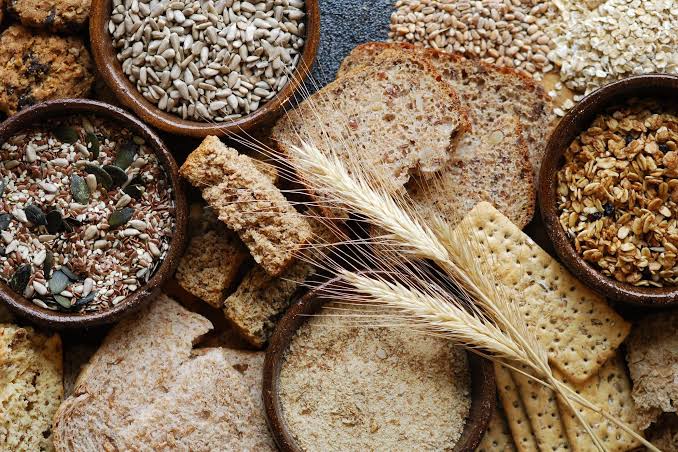
The results of the study revealed that people who consume more fiber daily are 15-30% less prone to premature deaths or any of the aforementioned conditions. It also determined that daily consumption of 25 -29 gms of fibre is good for health. Though consumption of more than 29 gms of fibre could be even more beneficial.

Having said that, the authors cleared that the study did not present any side effects of fibre consumption but too much fibre could also be harmful particularly for people with iron and mineral deficiencies. Even consumption of whole grains in excess can lead to iron deficiency as per researchers.

Lastly, the study also found that consumption of high amount of fibre results does relate to less weight and cholesterol levels.

Prof. Mann says “ Health benefits of fiber are supported by over 100 years of research into its chemistry, physical properties, physiology and effects on metabolism.

*Sourced from Internet

Just know about Rajarajeswari Medical College and Hospital, Bangalore

Sports Hobbies For Middle Aged Women – Benefits

A study around post-menopausal women published in the journal Frontiers in Endocrinology reveals that physical activity that involves sports in leisure time helps in managing the blood lipid profile well, thus reducing cardiovascular conditions as blood lipid profile is a market of heart conditions.

As per Karvinen and his team, after menopause the risk of cardiovascular conditions increases significantly in women and lipid profile is a reliable marker to measure heart health. He and his colleagues investigated around 193 menopausal women participants of the age group 47-55 from Finland, registered for the Estrogenic Regulation of Muscle Apoptosis (ERMA) study. The study is co-authored by Dr Mathew Jergenson of Minnesota Medical School and University in Minneapolis. The reason behind conducting the study as per him was to explore if physical activity did have a role in cardiovascular risk factors.

He says “It is well known that physical activity has health benefits, yet it is less clear to what extent physical activity prevents negative changes in lipid profile while women are in their menopausal transition. The participants were monitored for physical activity levels in leisure time, generally and specifically also, using accelerometers and had to answer questions as well.

Leisure is the time that is not related to routine daily work be it housework or commuting and includes sport or recreation activities in free time.

The researchers found out that there was indeed a connection between more activities during leisure time and lowering of cholesterol levels particularly (LDL) as well as with high levels of cholesterol (HDL). Karvin reports that indeed the leisure time physical activities were related to healthy lipid profiles. But, that does not mean that the negative changes in lipid profile during menopause can be fully done away with due to leisure time sports activities.

The author also said that leisure time physical activities will underscore the adverse atherogenic changes in the cardiovascular risk factors in middle aged women who are healthy. Hence, sport related activities in leisure are good.

*Sourced from Internet

RRMCH is having Top most Physiotherapist in Bangalore

Brain Function And Poor Oral Health – The Connection

Not one but two new studies have revealed that stress on a continuous basis can negatively impact oral health of elderly humans and also lead to a decline in the cognitive functioning in them. It has been always said that oral health is a good indicator of a humans overall health. But, not many of us know that a declining oral health could be an indication of other risky health conditions that can also affect the quality of life of a human being.

An article published in the Journal of Indian Society of Periodontology shows that there is a link between tooth loss as well as gum disease with stroke occurrence.

As per the conclusions of this article of 2010, gum disease is responsible for increase in the risk of heart attack by 20%. Well, there’s another team at the University of New Brunswick, NJ are focusing on a connection between oral health and cognitive decline.

Even a research team from Rutgers University carried out a two separate studies around perceived stress and cognitive decline and published the reports of two separate studies in the Journal of American Geriatrics Society.

Talking about other parts of the world like for example China, XinQi Dong, the director of Rutgers University’s Institute for Health, healthcare policy and aging research says that in china it was the ethnic and racial minorities who were typically vulnerable to consequences of poor oral health. The reason being that already there are barriers like socio economic status and language plus access to preventive dental care is less. Particularly, the old Chinese Americans are at a risk of oral health problems because of lack of regular dental checkup and dental insurance. These studies were carried out on Chinese elderly in Chicago of 60 years and above age. The study involved quizzing question around oral health and then asking them to complete five cognitive tests. The second study asked people if they had faced issues like dry mouth besides measuring their social strain levels, social support and perceived stress with the help of pre-defined scales.

The study involved 2700 Chinese Americans and results revealed that around half of them did had symptoms of tooth related issues. Also, there was not significant relationship between congnitive issues and gums but researchers believe that the participants may not have reported gum problems and ignored them as they do not cause major problems to health.

*Sourced from Internet

RRMCH is one of the best neuro hospital in india

know more about Top Dental Colleges in Bangalore

Genetic Components Related To Left Handedness – A Study

A recent study by scientists reveals about regions of the Human DNA and their association with left handedness. These regions are connected to the brains language related features. An earlier study around handedness had revealed that genes were responsible for 25% of it but the type or name of the genes was unknown.

In India and across the world there were has been a lot of stigma and taboo around being left handed. But, today rarely anyone is of the belief or even discriminates between left and right handed people.

10% of the population in the world is known to be left handed and also includes many well-known individuals like Alert Einstein and Leonardo da Vinci amongst them.

The recent study was published in the journal ‘Brain’ and involved the participation of 40,000 people including 38000 left handed ones. After doing the genetic analysis, the researchers found that it was the DNA regions that linked to left handedness strongly.

As per the researchers the three regions are inside or are responsible for protein code of brain development and patterning. Proteins play a significant role in making microtubules which are scaffolding like building block and are responsible for guiding cell construction.

Microtubules are made up of long chained molecules making up the physical structure of the cells throughout the body also known as cytoskeleton and have the ability to respond to cell singals by quickly assembling and disassembling.

The scientists did study brain scan details of 9000 participants after analyzing their DNA samples. The findings indicate that in left handed people right and left side for brain that deals with language coordinate in a better way compared to right handed ones. These findings thus pave the path for getting deeper into finding if left handed people are better in tasks that involve verbal communication compared to the right handed ones.

Well, as per Gwenaelle Dououad, associate professor at the Wellcome Centre for Integrative Neuroimaging that it was apparently for the first time that they had been able to establish that in humans the handedness is linked to cytoskeletal differences in the brain.

*Sourced from Internet

Know more about Rajarajeswari Medical College and Hospital in Bangalore

Diverticulitis – Know More About The Stomach Condition

A common condition of stomach that, many people are unaware of diverticulitis. It affects the large intestine or colon and occurs when the mucosa or muscous membrane forms small pouches bulging inside the gastrointestinal tract pushes out via a weak muscle area in the larger intestine. Though over 80% of the people suffering from divurticulitis do not show any symptoms of it, some of them do feel severe pain and need surgery.

Causes – Though the primary cause of this condition is unknown, some of the risk factors include obesity, smoking, red meat, high saturated fat and low fibre diet.

Symptoms – Though symptoms vary depending upon the severity of the condition, people experience symptoms like fever, bloating, nausea, vomiting, abdominal pain, constipation, Vitamin D deficiency and genetics to name a few.

Diagnosis – The diagnosis depends on physical examination and a few tests including urine and stool test, colonoscopy, MRI, CT scan or X ray of the GI tract, to name a few.

Complications: Generally this condition does not have complication in over 75% of the cases but in 25% of the cases there are chances of developing complications. The complications of divertulitis include –

Abscess – It is the formation of pus inside the diverticula

Scarring – This condition causes intestinal blockage

Perforation inside Intestine – This causes holes in the intestine and is a severe condition that leads to leakage into the abdominal cavity

Fistula – In this condition, the infection spreads through other organs

Phlegmon – It’s the inflammation of the soft tissues under the skin

Prevention– Eating foods that are rich in fibre are advisable in order to prevent the condition. These include Vegetables like Spinach, Peas, high-fibre fruits, ground Psyllium Seed, low fibre animal protiens like eggs and fish etc. Avoid foods like popcorn, fried foods, saturated fats, popcorn and refined grains.

*Sourced from Internet

Kmow more about Rajarajeswari Hospital in Bangalore